How to avoid them
One of the most frequent mistakes is starting the washing directly with a sponge or glove, without first removing the coarse dirt. Dust, sand and road residues behave like micro-abrasives when dragged over the surface, creating over time a network of small visible scratches, especially in backlight. The pre-wash has the purpose of softening and dissolving heavy dirt, reducing mechanical contact with the paint. Skipping this phase means significantly increasing the risk of damaging the surface, even if apparently delicate tools are used. A correct pre-wash phase makes the subsequent washing safer, faster and more effective.
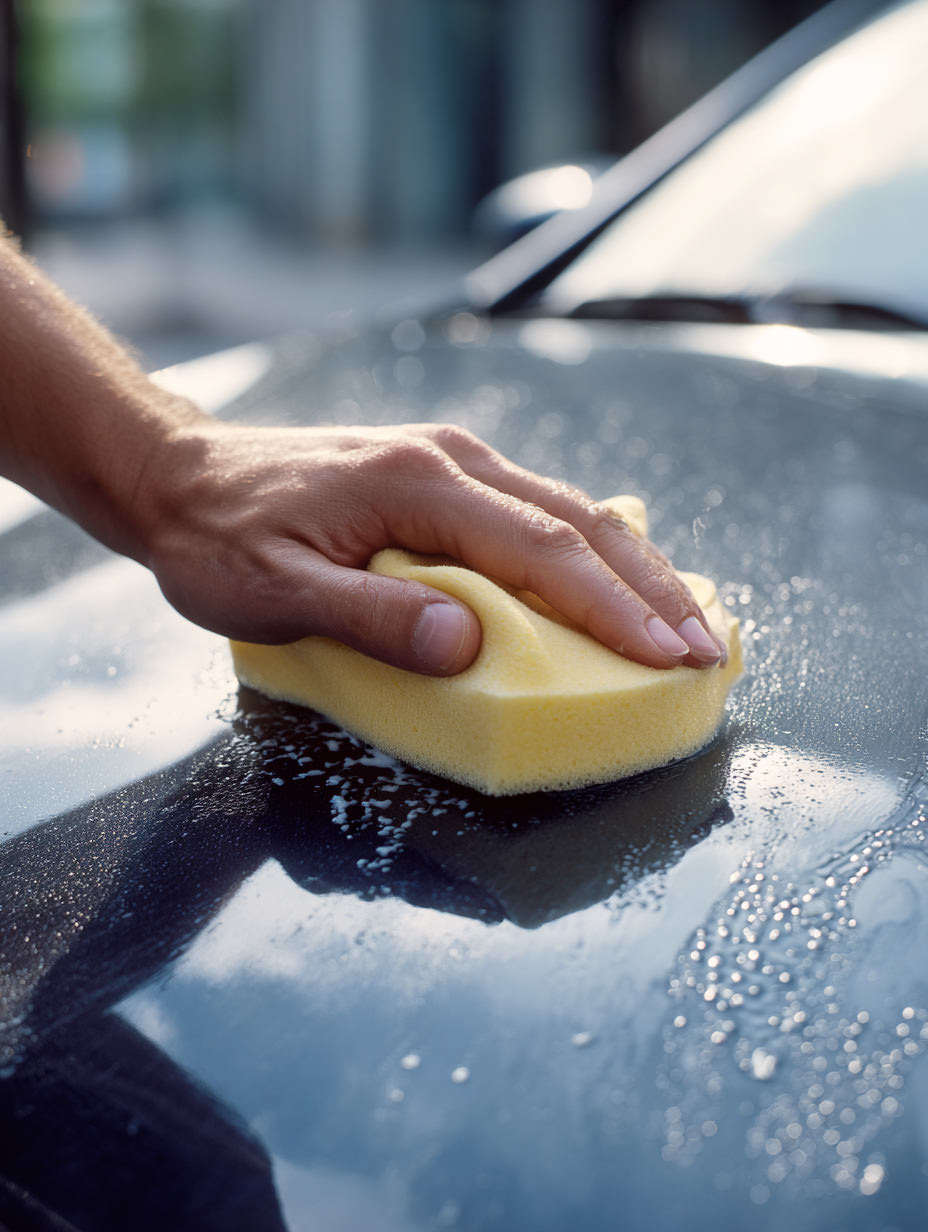
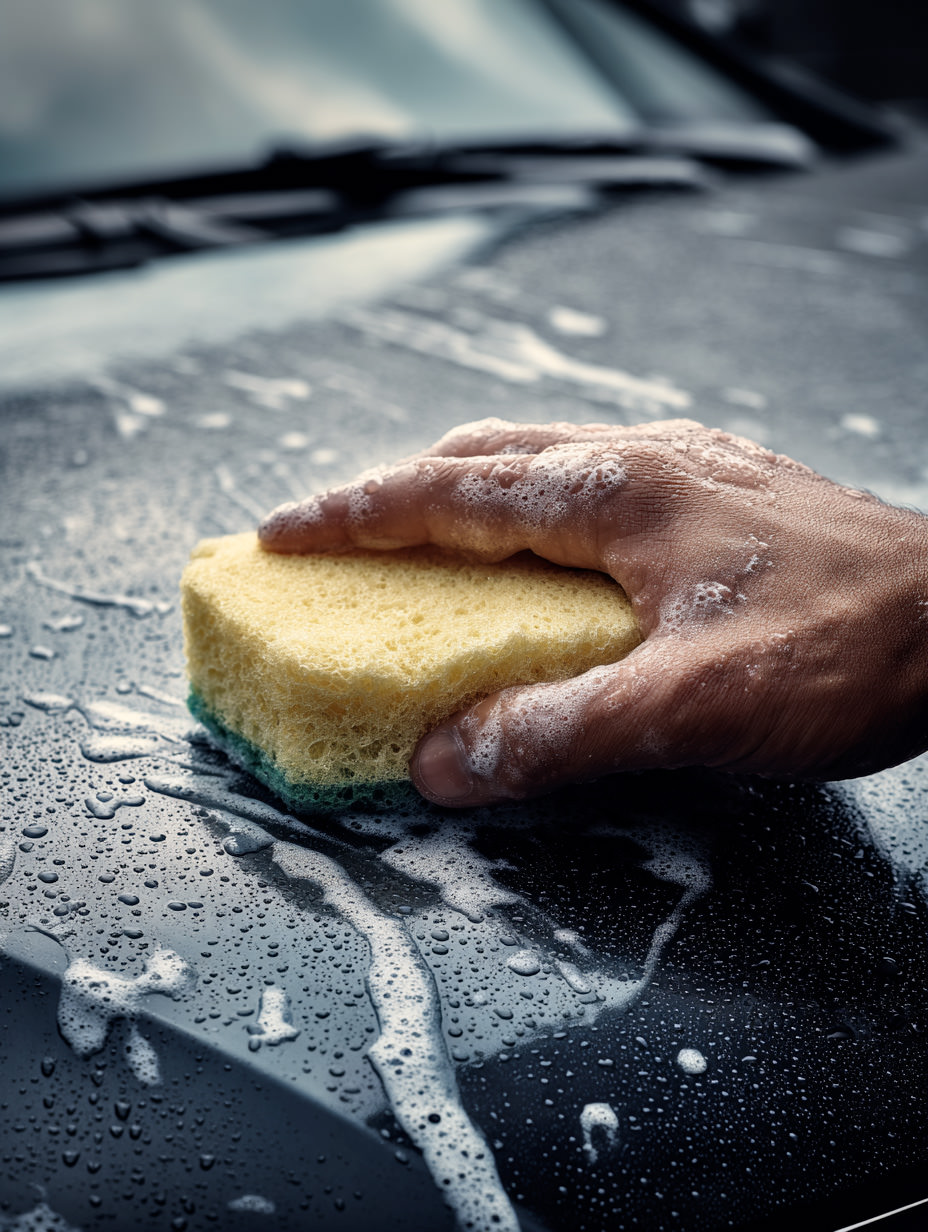
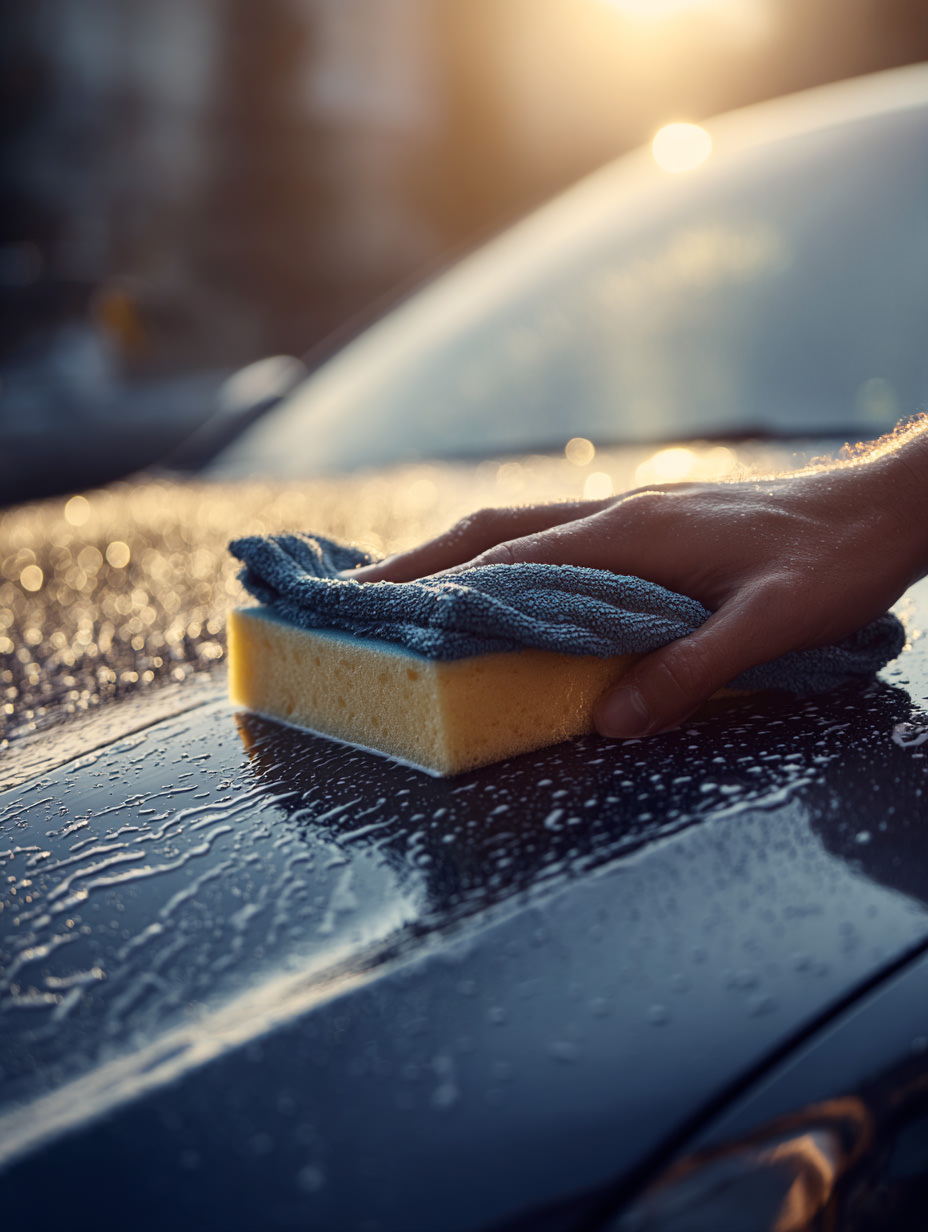
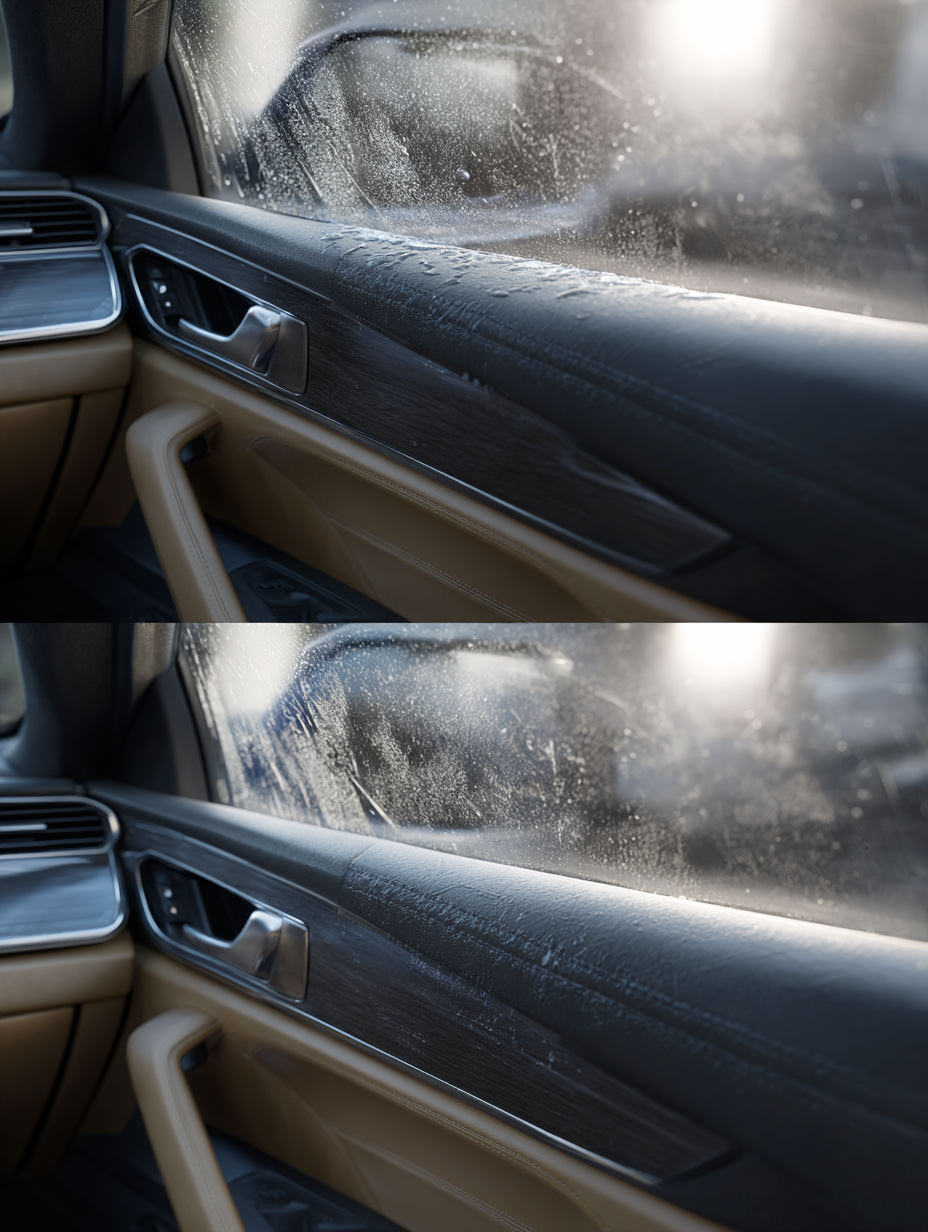
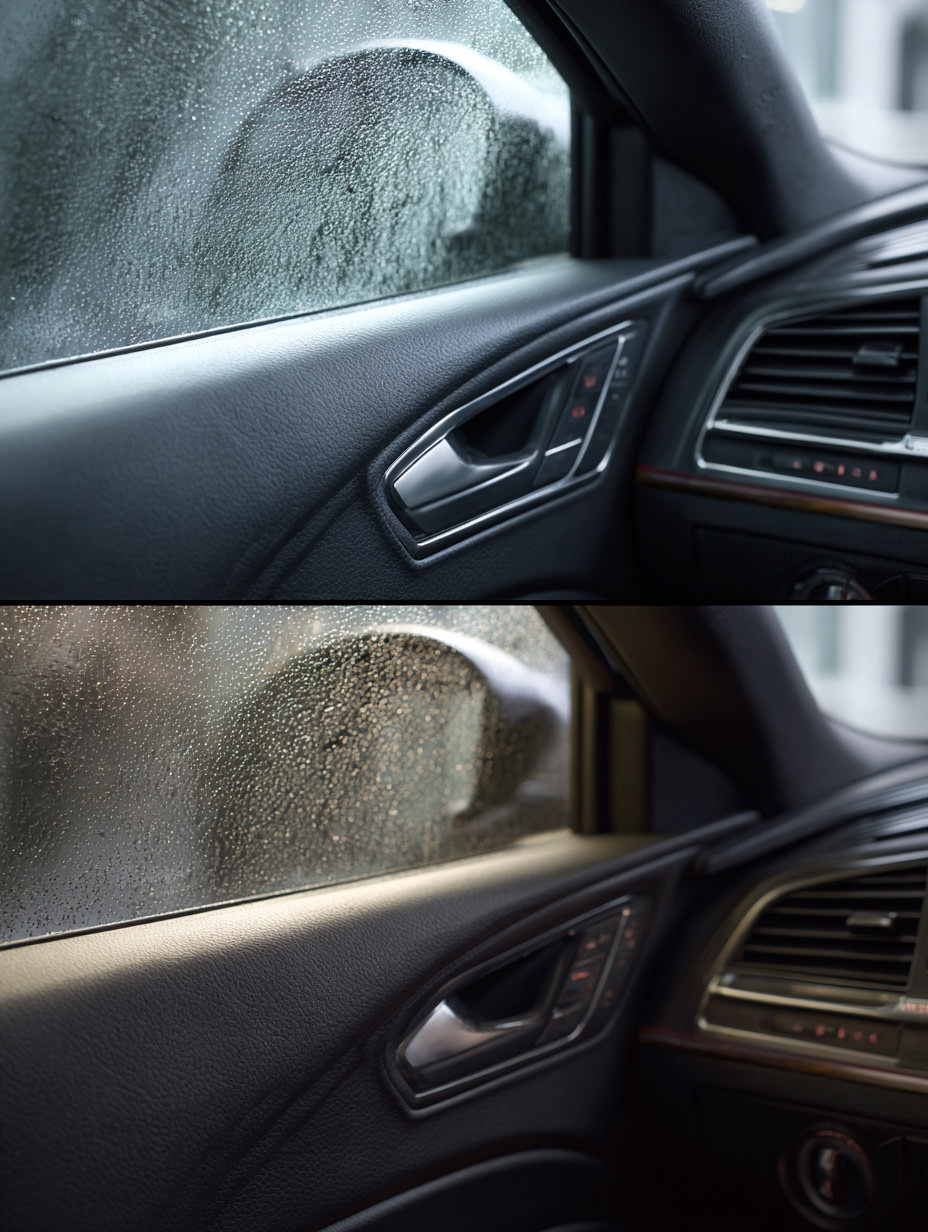
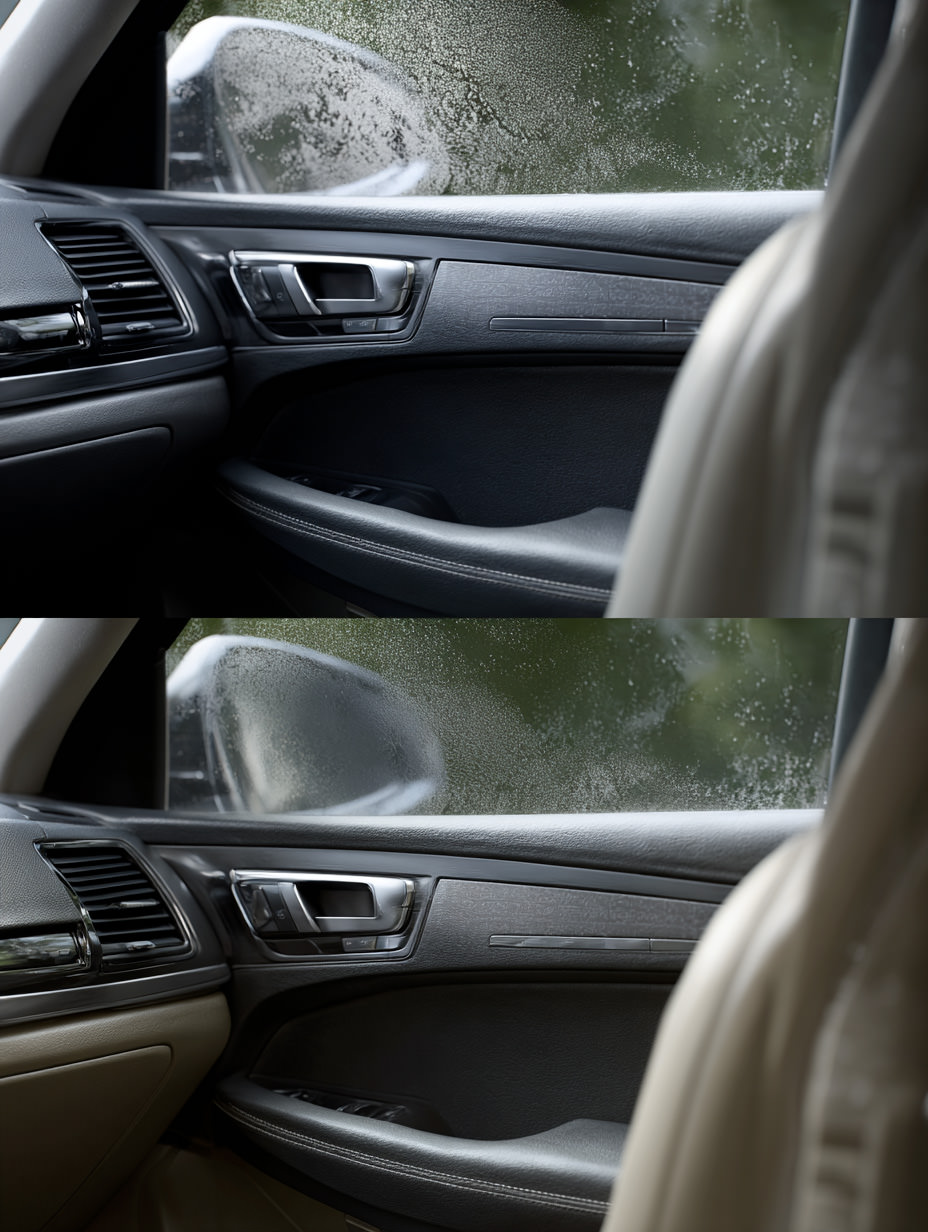
Another very common mistake is using the same product on all parts of the car, without distinguishing between paint, glass, plastics, trim, leather or fabric. Each material has a different chemical composition and reacts specifically to detergents. A product that is too aggressive can dull shiny surfaces, dry out plastics or compromise existing protections. On the other hand, a product that is too delicate may not be able to remove dirt properly. Choosing the right product for each surface allows for effective cleaning without altering the characteristics of the materials, preserving their appearance over time.
Often one tends to think that using more product
leads to a better result. In reality, in most cases the opposite happens. The excess of detergent or polishing product can create residues
difficult to remove, generate halos and make the rinsing or drying phase more complex.
Modern formulations are designed to
be effective even in small quantities. Using the correct dosage allows for better control of the cleaning process and more uniform results.
A conscious use of the product improves not only
the quality of the work, but also the safety of the treated surfaces.
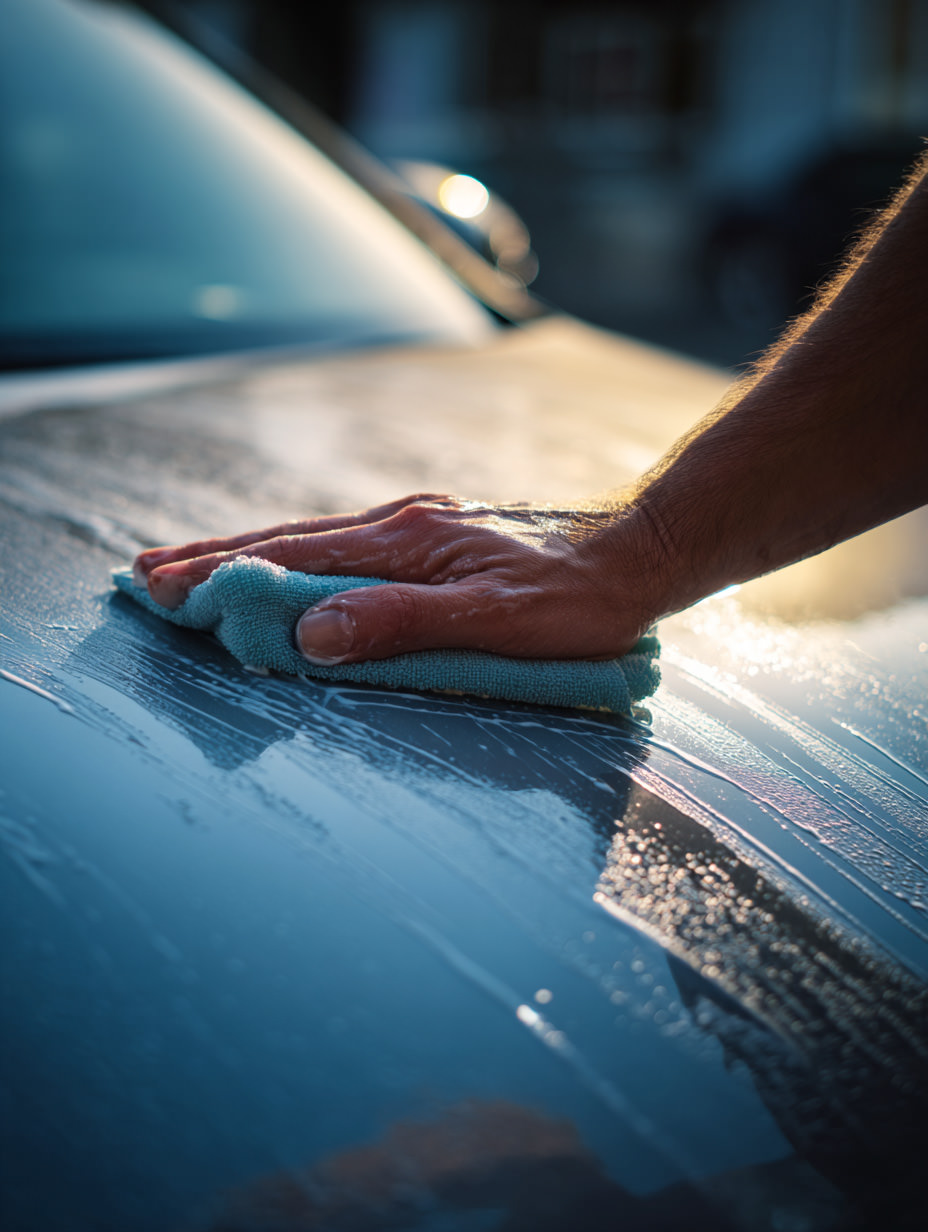
Polishing is one of the most delicate phases of
car care. Intervening on a surface that is not correctly prepared
means working on a paint that still contains contaminants, mineral residues and hard particles.
In these conditions, polishing risks
dragging such particles onto the surface, creating new scratches instead of eliminating them. Proper preparation always includes a thorough wash, a decontamination phase and complete drying.
Only a clean and controlled surface allows
polishing to perform its task effectively and safely.
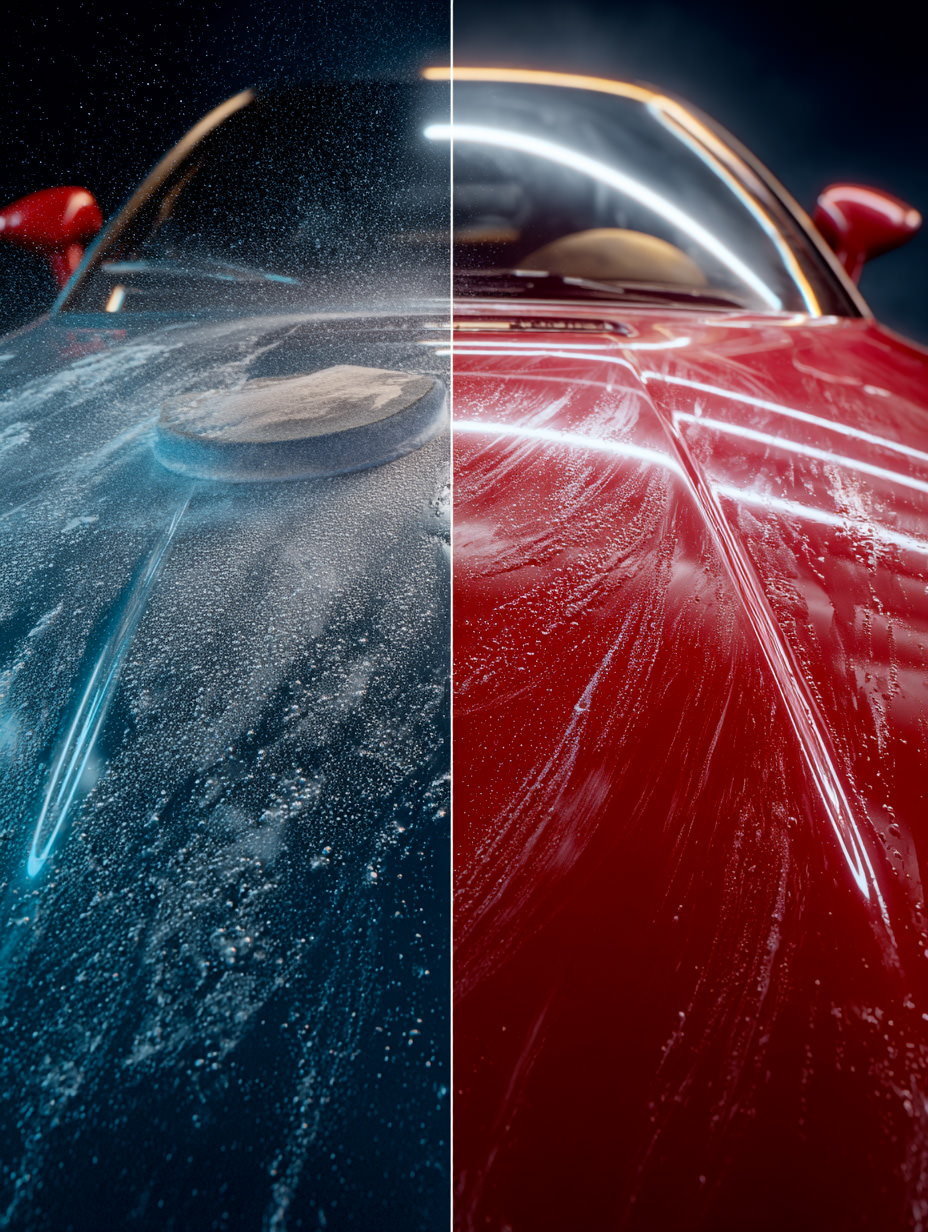
After polishing, the paint appears bright and
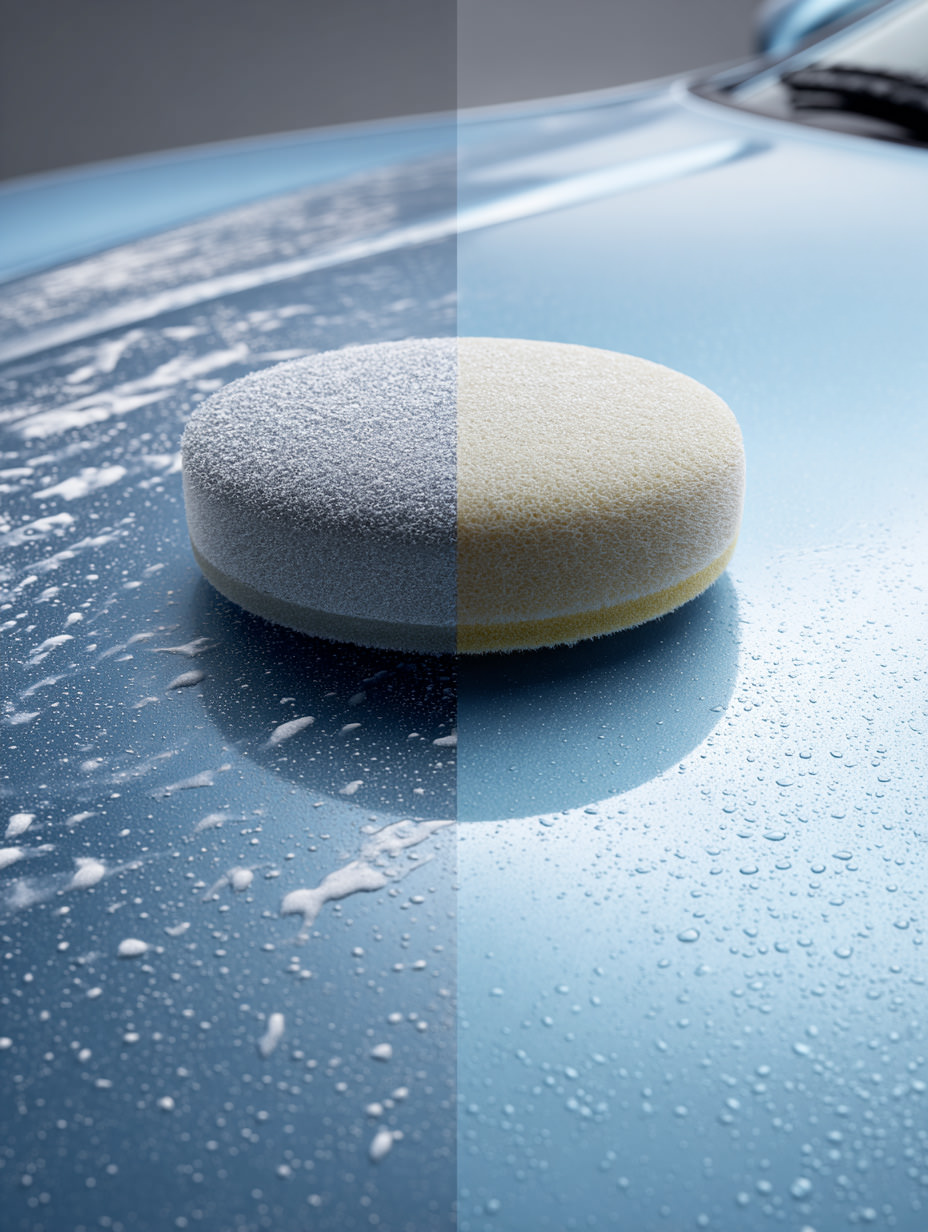
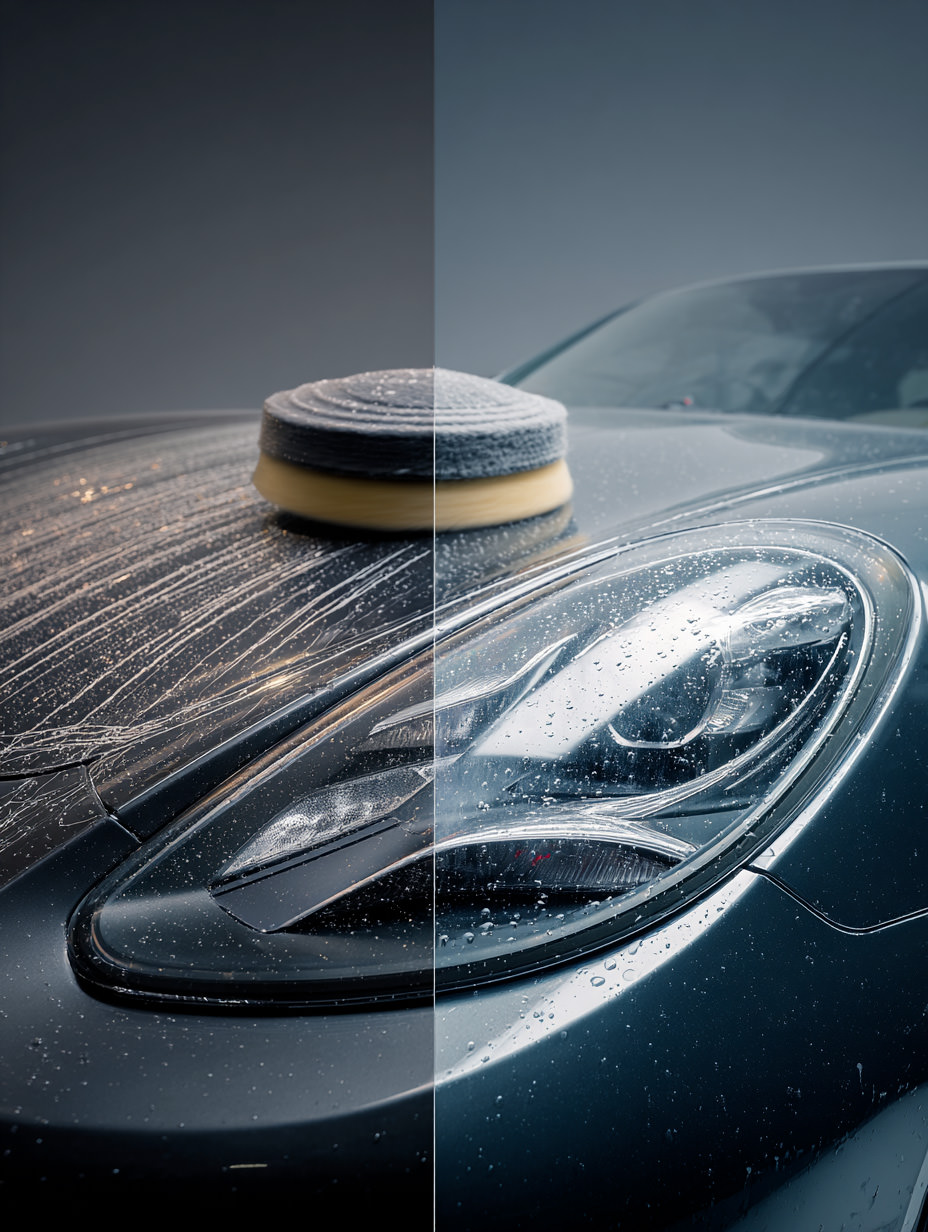
uniform, but in reality it is also more exposed to external agents. Without adequate protection, the result obtained tends to deteriorate rapidly due to UV rays, rain, dust and environmental contaminants.
Final protection creates an invisible barrier
that helps preserve brightness, facilitates subsequent washing and reduces dirt adhesion. Neglecting this step means significantly reducing the duration of the work done.
Good protection not only has an aesthetic function,
but also contributes to the preservation of the paint over time.
With which tools and where
Cloths, sponges and pads are fundamental tools
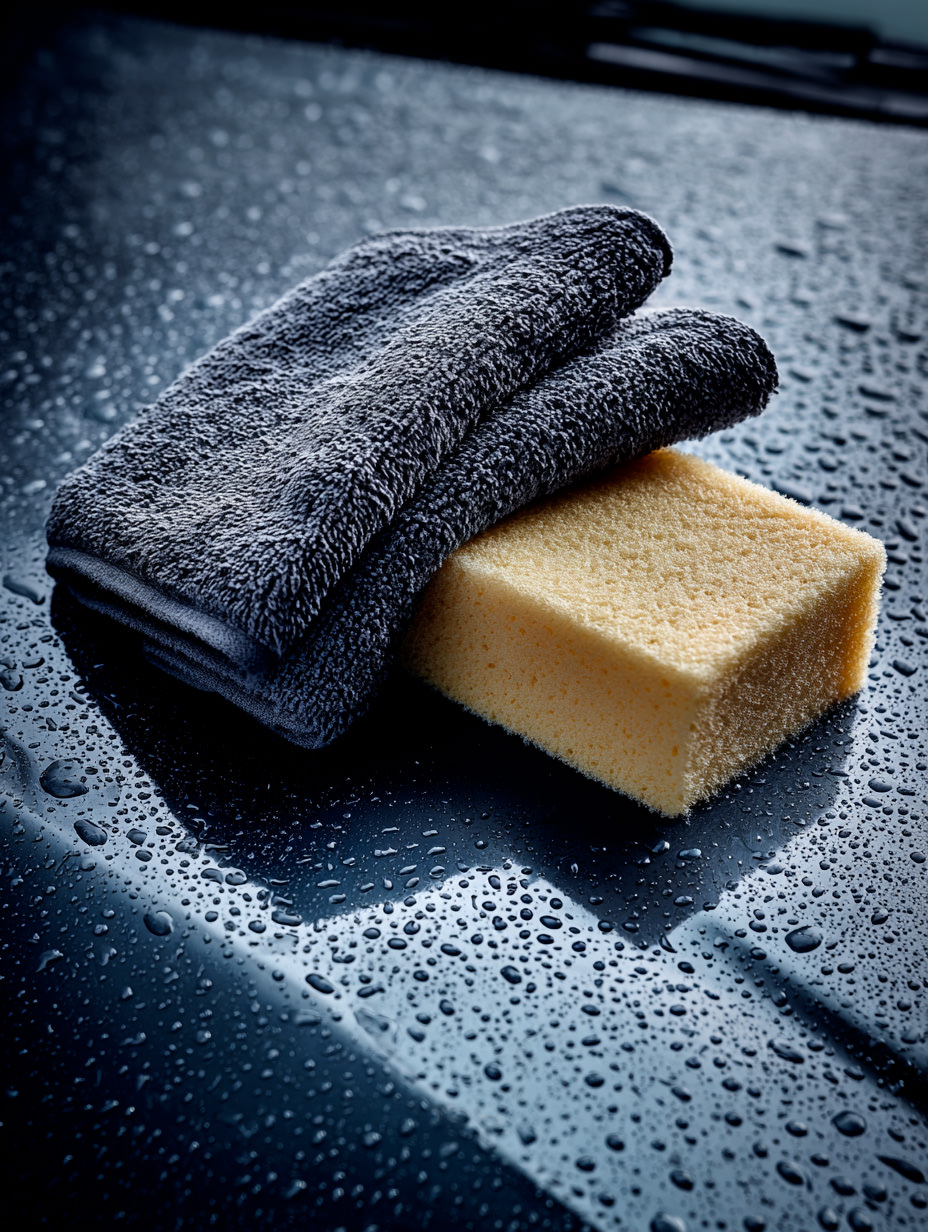
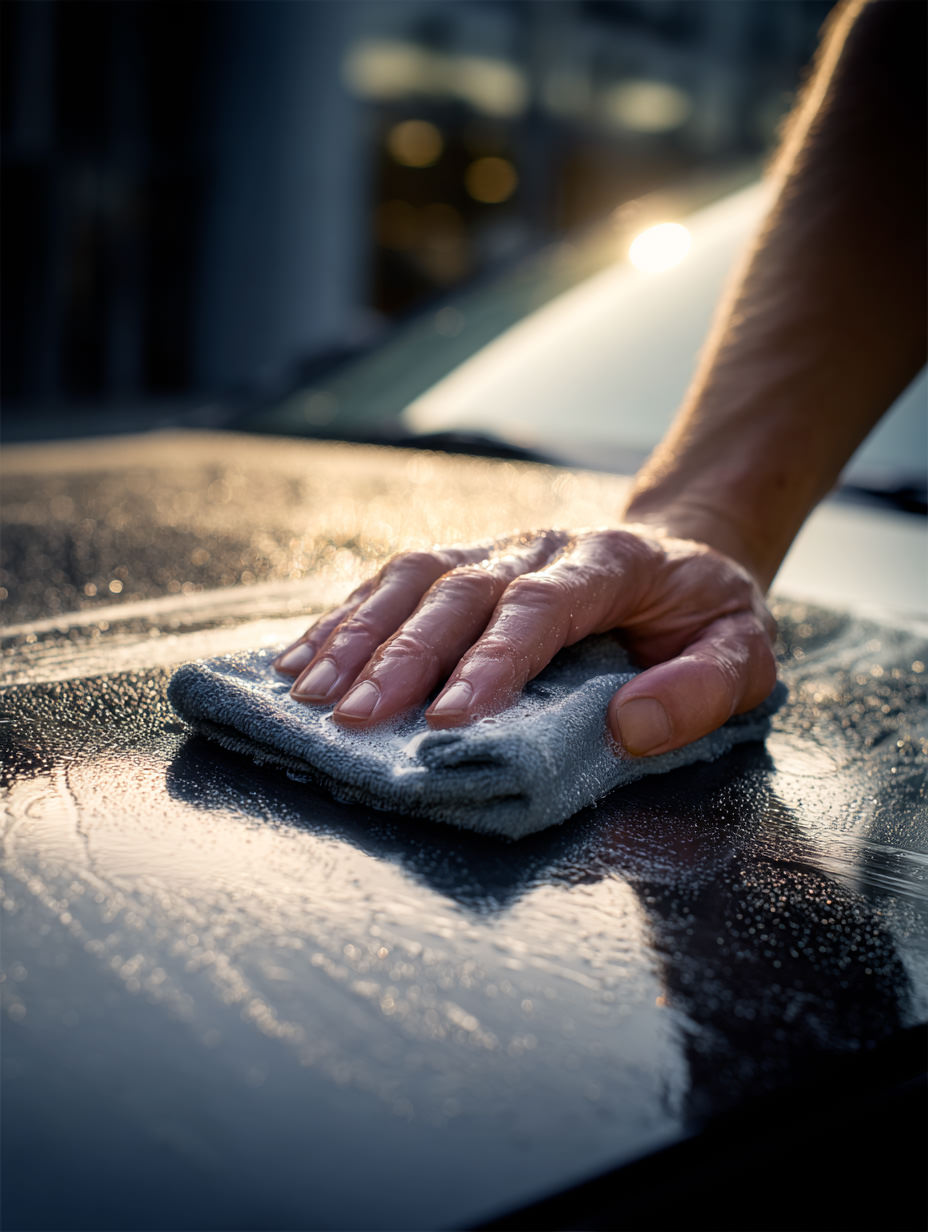
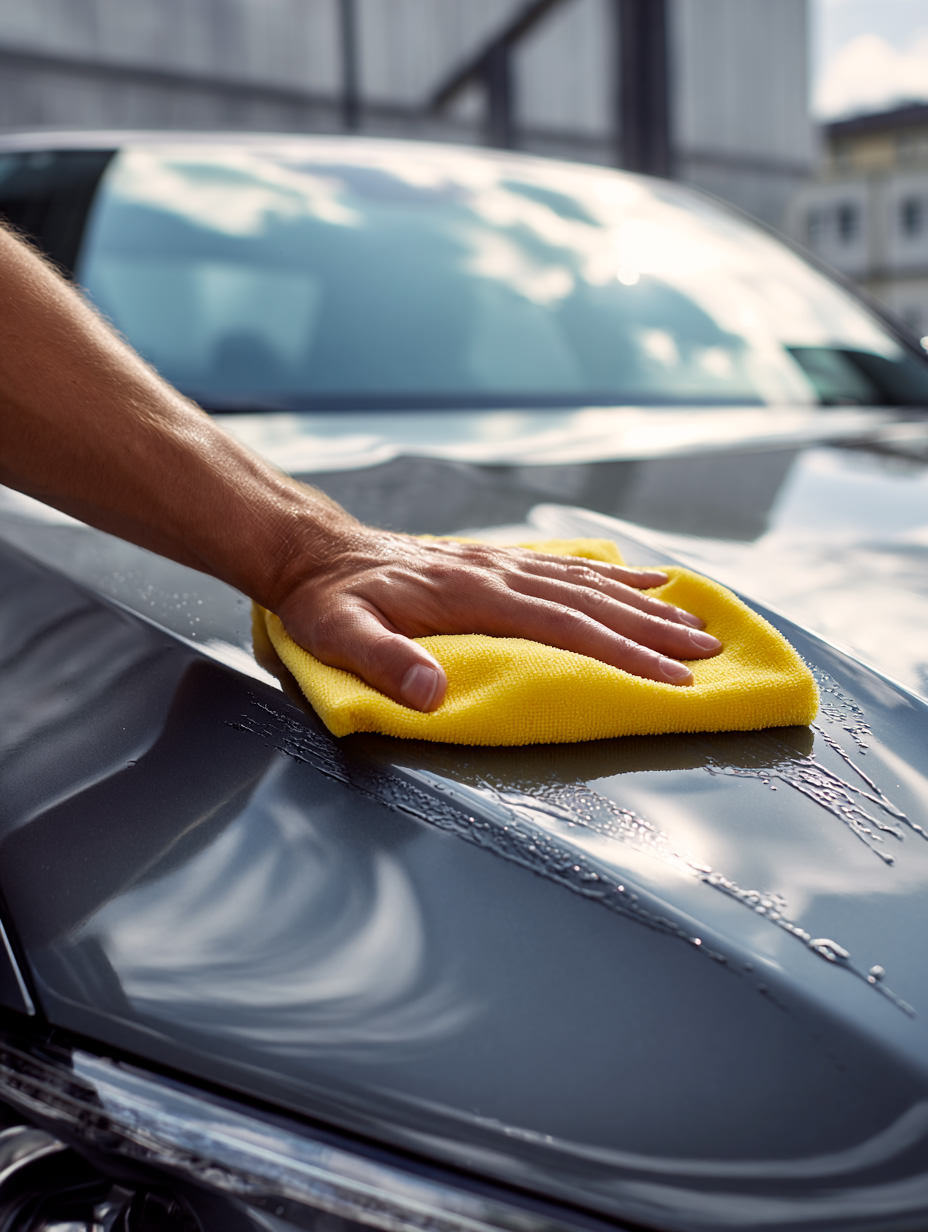
in car care. If they are not cleaned properly or are already worn out, they can become one of the main causes of micro-scratches. A cloth that has collected dirt or abrasive particles during a previous use can transfer them back onto the paint. It is therefore essential to regularly wash the tools used and replace them when they are no longer in optimal condition.
Attention to tools is an integral part of
correct working methodology.
Environmental conditions significantly influence
the final result. Washing the car in direct sunlight or on a hot surface accelerates the evaporation of water and detergents, causing halos, lime spots and residues difficult to eliminate.
In these conditions, it becomes difficult
to control the action time of the products and achieve uniform cleaning. It is always preferable to operate in the shade, on cold surfaces and with adequate working times.
This simple trick can make a big difference
in the quality of the final result.
Car care is not just an aesthetic matter,
but a set of knowledge, attention and correct gestures that allow the vehicle's value to be preserved over time.
Knowing the most common mistakes is the first step
to avoid them and turn every cleaning operation into a safe, effective and lasting one.