Why they are not all the same
A car care product is not simply a mixture of substances.
It's the result of a delicate balance between different components, studied to work effectively but controlled.
A good formulation must clean, polish, or protect without creating side effects.
It must be stable over time, easy to apply, and above all safe for the materials it is used on. Even small variations in the composition can radically change the behavior of a product, making it more aggressive, less effective, or less durable.
That's why two apparently similar products can offer very different results once applied to the body.
Solvents are often perceived as a secondary element, but in reality, they play a fundamental role.
They serve to dissolve dirt, transport active ingredients, and make the product workable.
If used incorrectly or in excess, however, they can become aggressive for the surface.
An evolved formulation always seeks the right compromise: enough cleaning power to be effective, but without stressing the paint, plastics, or trim.
When this balance is respected, the result is a product that works well, is easy to control, and does not leave signs over time.
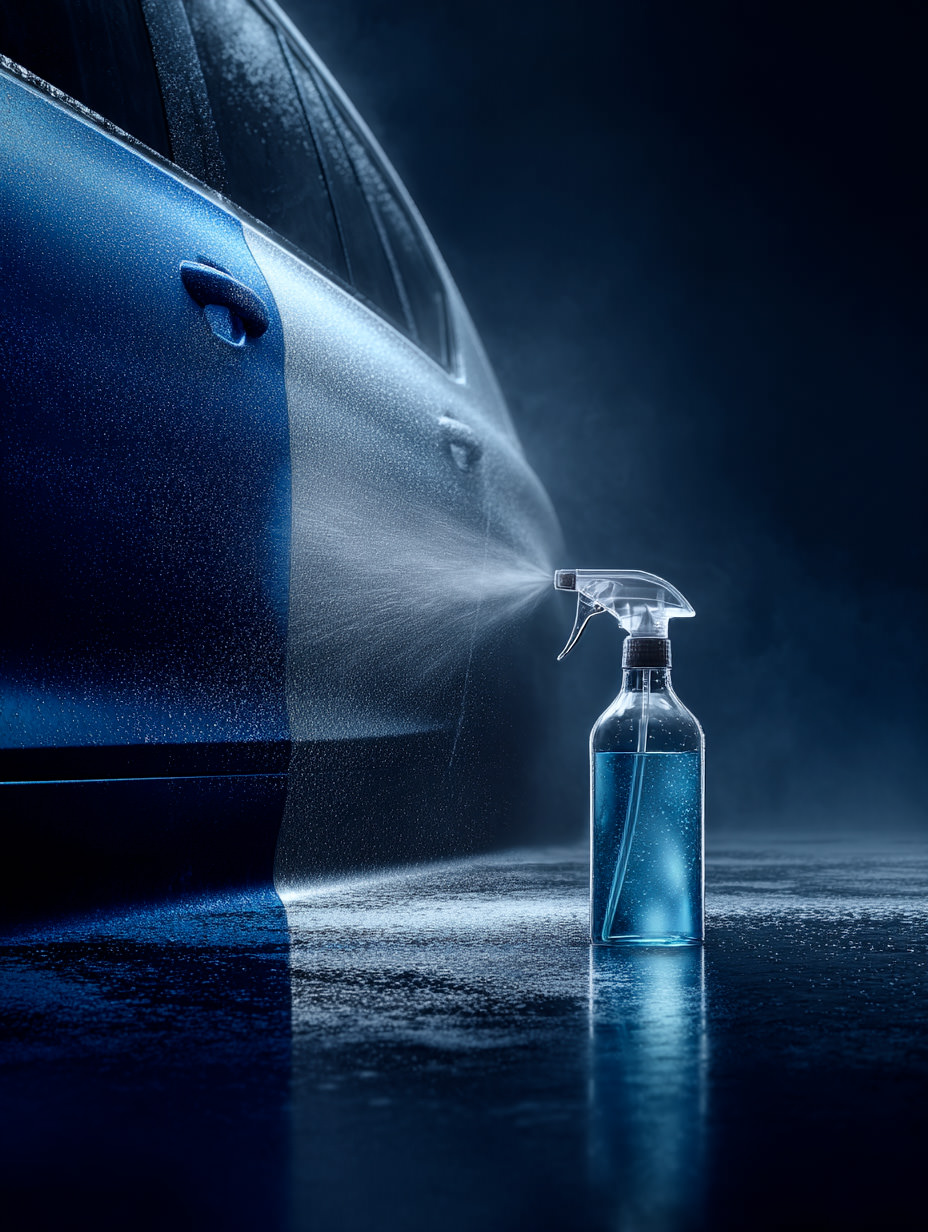
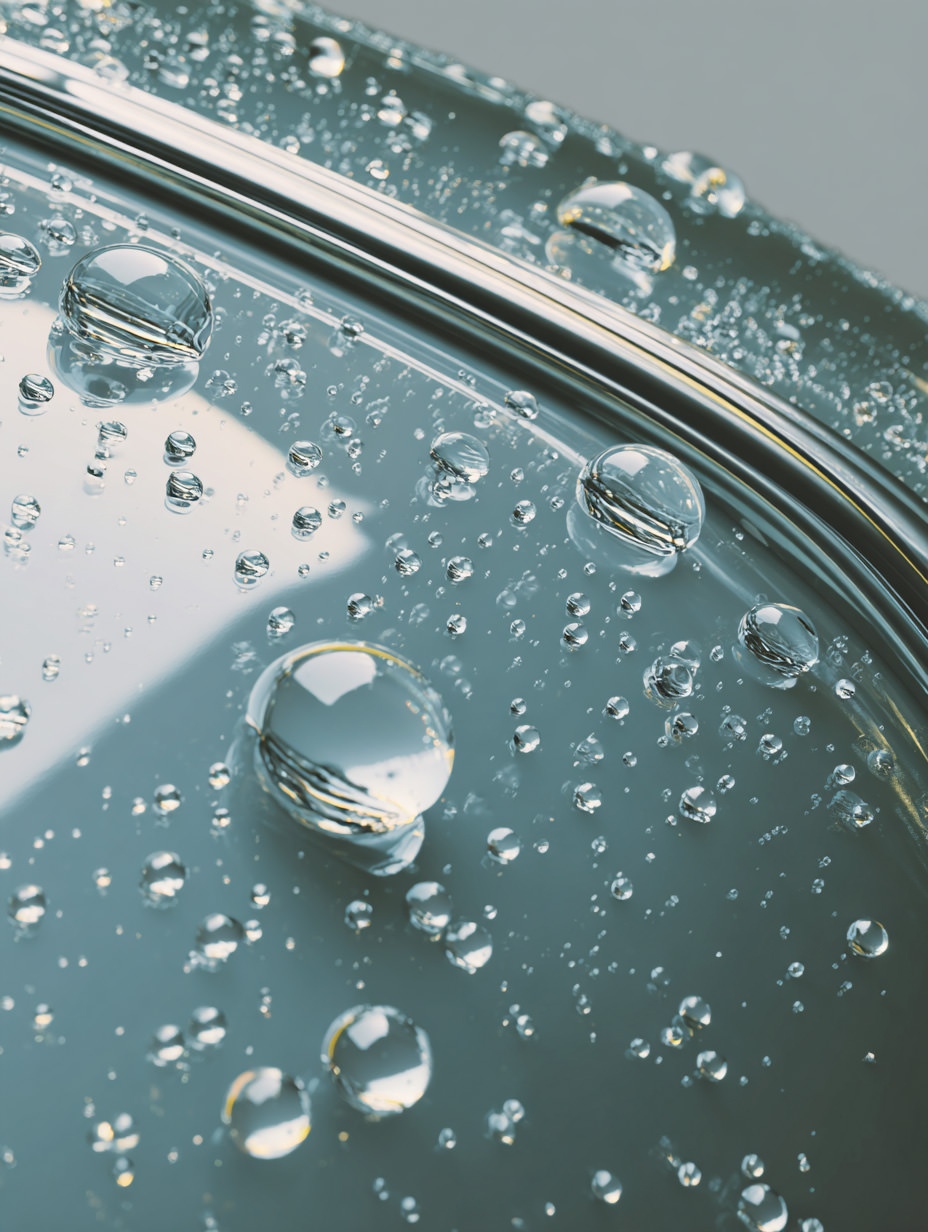
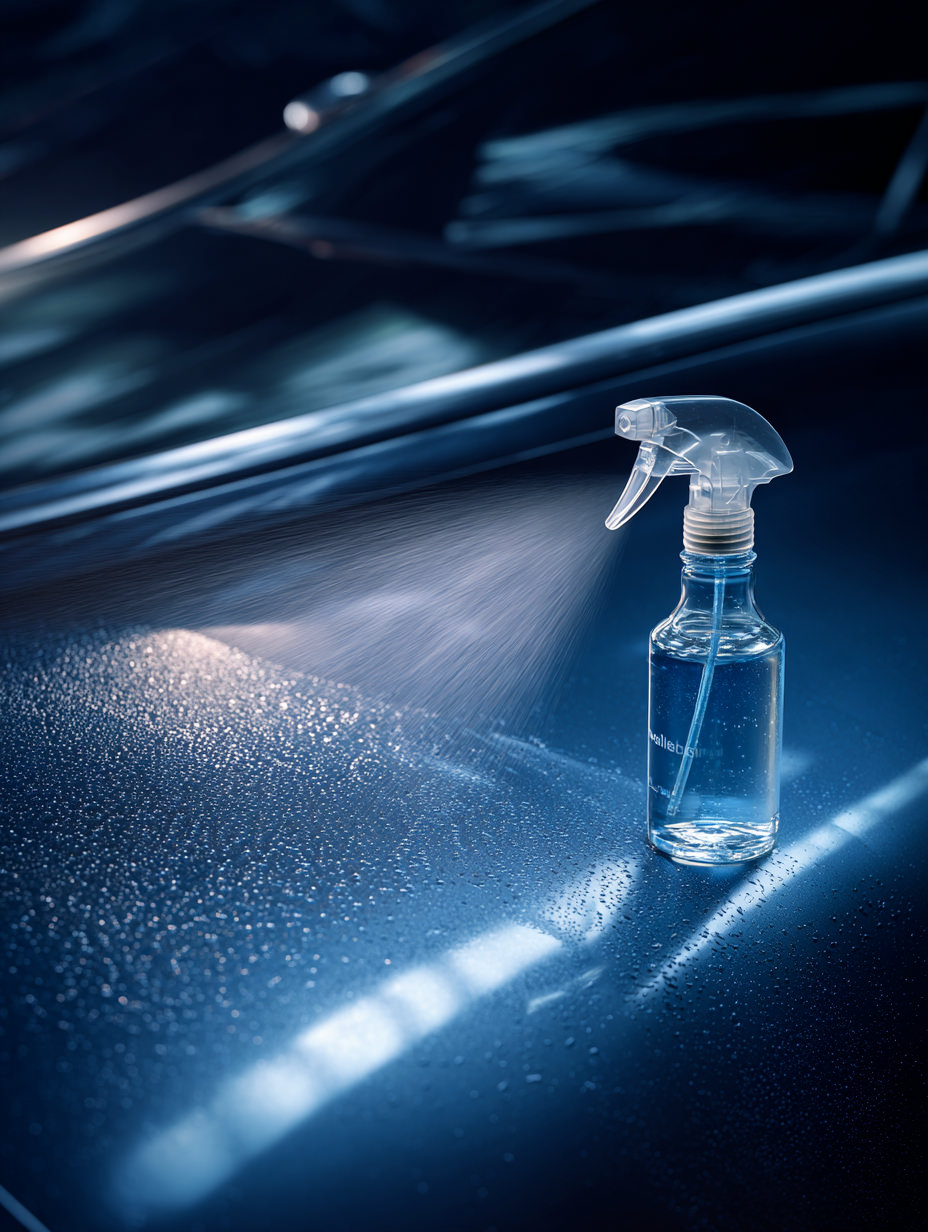
The ability of a detergent to remove dirt depends largely on the surfactants. They are the ones that allow water to penetrate, detach and transport away contaminants. Not all surfactants are equal. Some clean quickly but leave residues, others require abundant rinses, others may interfere with existing protections on the surface. A careful choice, on the other hand, allows for a deep, uniform and residue-free cleaning, respecting materials.



When it comes to polishing, often only the final result is considered. In reality, much depends on the quality of the abrasives used. Size, shape and behavior of the particles determine how the product works on the paint. Advanced formulations use abrasives designed to act progressively, correcting defects without creating new signs. This allows for uniform, brilliant and visually clean surfaces, reducing steps and processing times.
In protective products, polymers, resins and advanced molecules come into play, capable of creating an invisible barrier on the surface. This barrier protects the paint from UV rays, atmospheric agents and daily contaminants. The quality of the chemistry used directly affects the duration of protection, the water-repellent effect and the ease of maintenance over time. Good protection is not just brilliant, but also maintains its characteristics after numerous washes.



It often happens to wonder why two products, used in the same way, give such different results. The answer is almost always in the formulation. The quality of the raw materials, their balance and the way they interact with each other make the real difference. This is why some surfaces maintain brilliance and protection over time, while others tend to deteriorate more quickly.
Every effective formulation is the result of tests, trials and continuous improvements. The chemistry applied to car care is a constantly evolving sector, where field experience and laboratory work must constantly dialogue. Only through research, experimentation and attention to detail is it possible to develop reliable, repeatable and truly performing products.
The difference between a good product and an ordinary product does not lie only in the immediate result, but in its ability to work in a controlled, safe and durable way. Understanding the chemistry behind car care means making more informed choices and achieving better results over time. Behind every effective treatment, there is not just a technical gesture, but a formulation studied with precision